
Suri: Echo of the Lost Souls
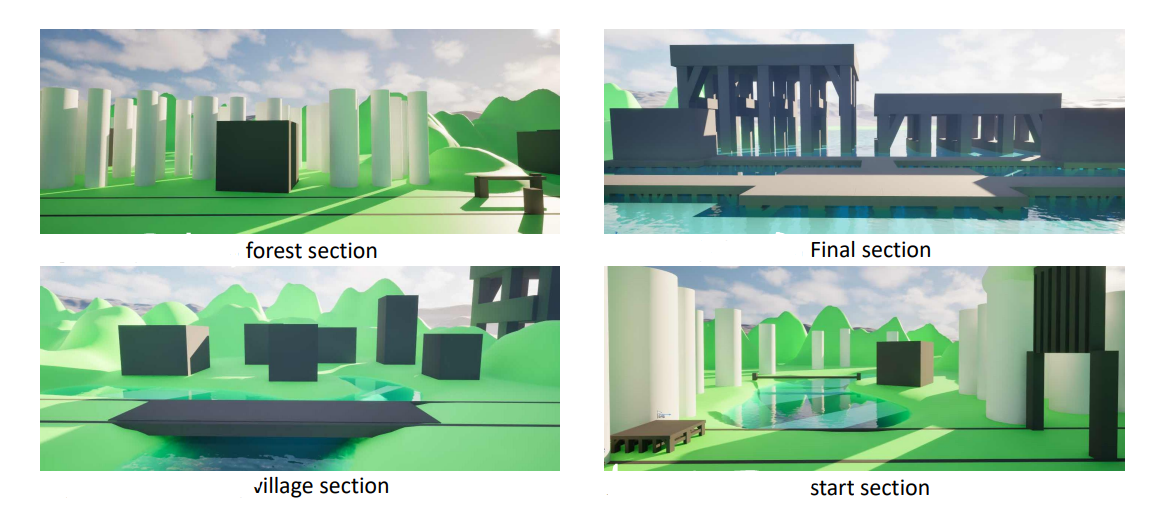
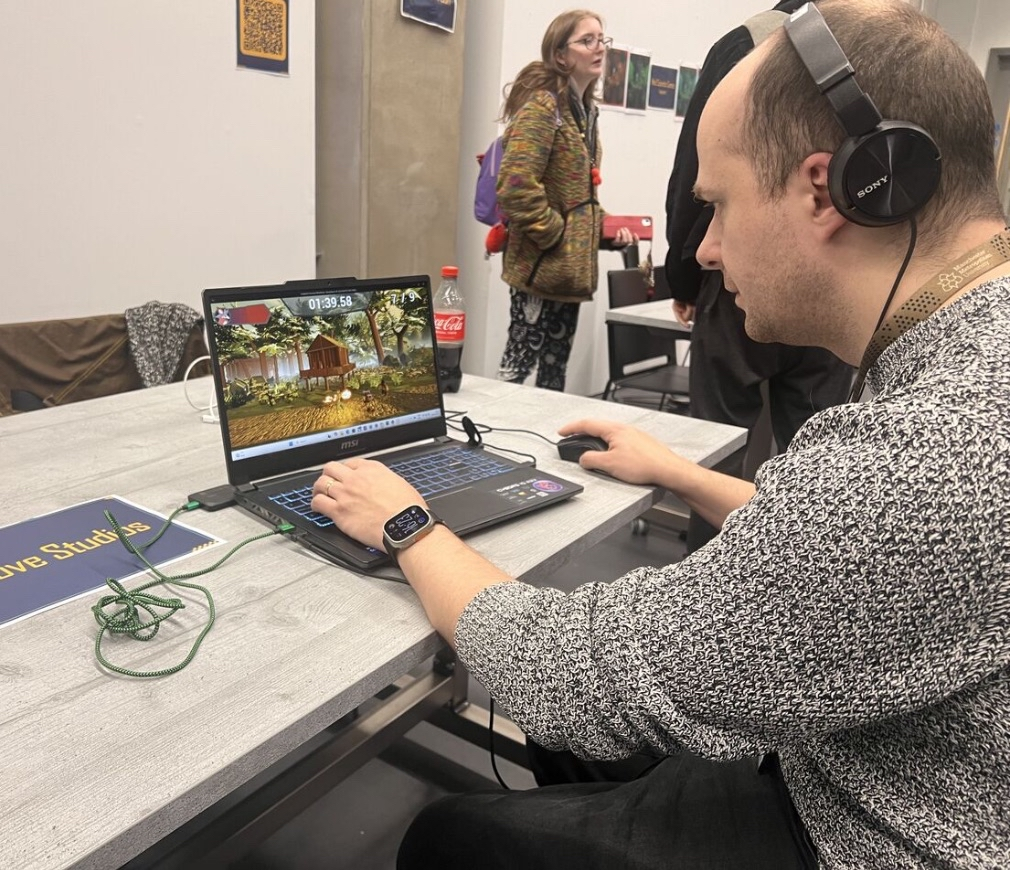
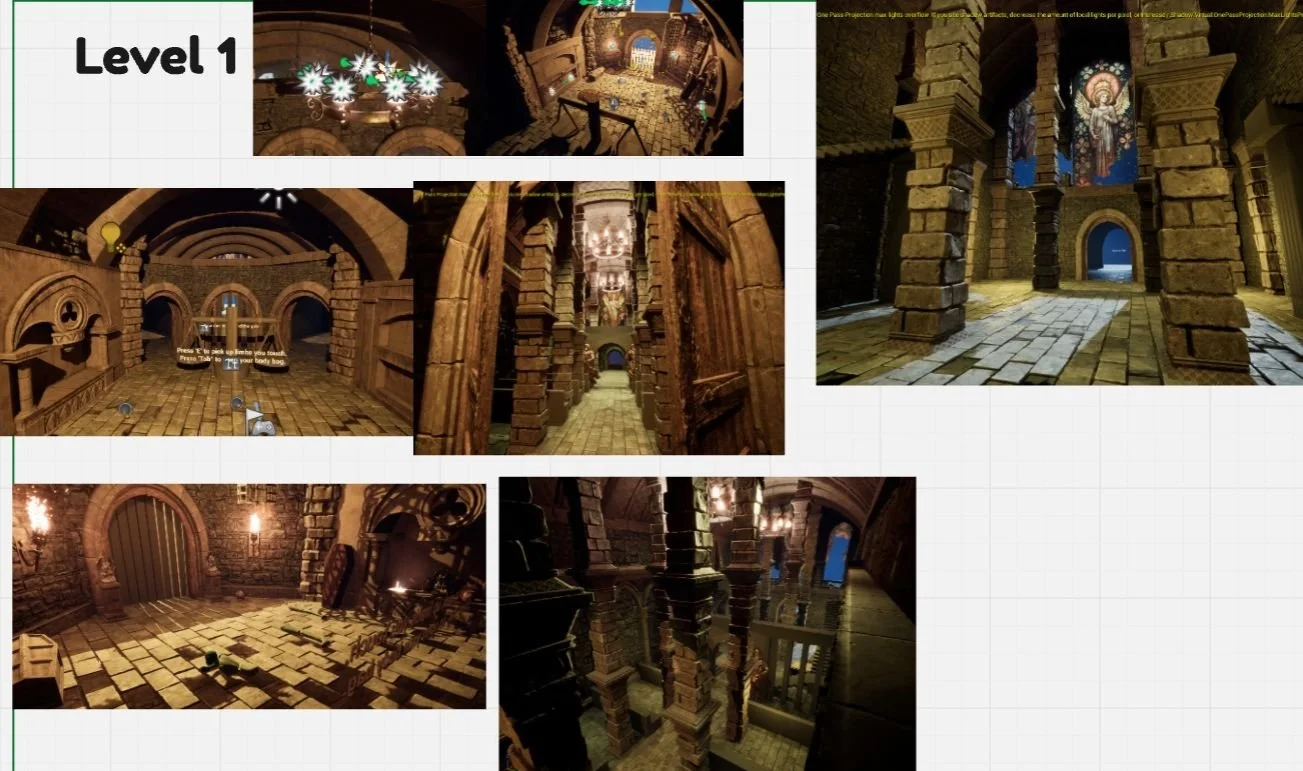
Suri: Echo of the Lost Souls is a collaborative side-scrolling beat ’em up inspired by classic arcade titles such as Streets of Rage and Golden Axe. The project combines three-lane combat mechanics with environmental storytelling and restorative fantasy themes within a stylised world influenced by Asian cultures.
Within the team, I was responsible for the level design and implementation of the game’s core gameplay systems using Unreal Engine 5. My work included whiteboxing the level layout, developing the three-lane movement system, implementing combat mechanics, animation Blueprints, enemy behaviour, progression systems, UI functionality, and gameplay flow.
The project focused heavily on iteration and playtesting throughout development, allowing systems and combat readability to be refined based on player feedback. Through this process, I developed a stronger understanding of gameplay implementation, level pacing, player guidance, and collaborative development workflows within a professional production pipeline.
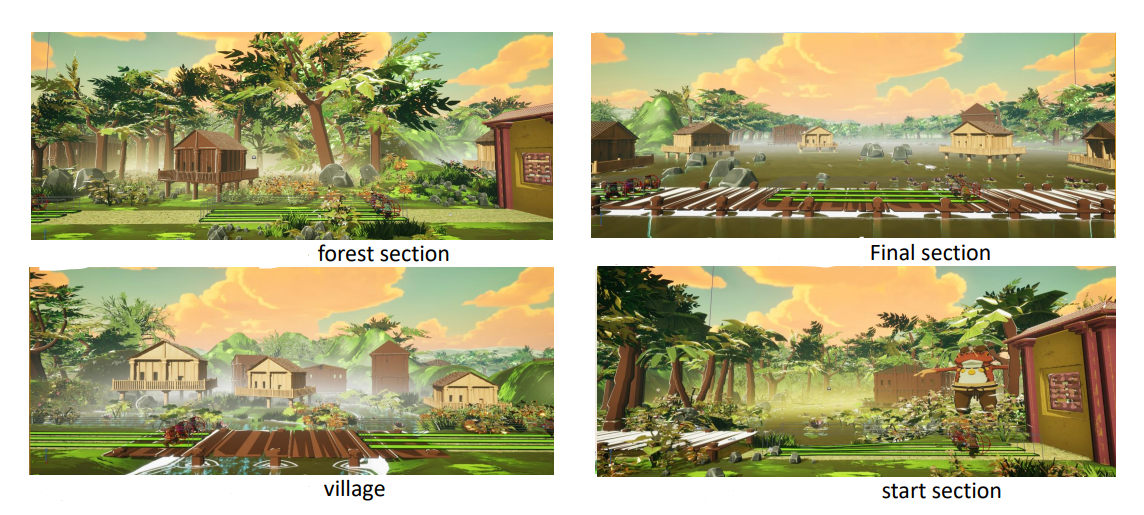
As part of the project’s development, the game was showcased during a university charity playtesting event organised at Manchester Metropolitan University. The event provided an opportunity to receive external feedback from students and members of the public who had no prior experience with the project.
Observing players interact with the game in a live environment was extremely valuable, as it allowed the team to evaluate combat readability, player understanding, and overall engagement with the gameplay systems. The feedback received throughout the event was overwhelmingly positive, particularly regarding the game’s atmosphere, combat flow, and accessibility for new players.
The experience also highlighted the importance of adaptability and problem-solving within game development. Despite technical issues before the showcase involving Unreal Engine installation compatibility, the game was successfully prepared and presented in time for the event. Seeing players engage positively with the project reinforced the value of iterative development, playtesting, and collaborative production workflows.
Out on a Limb
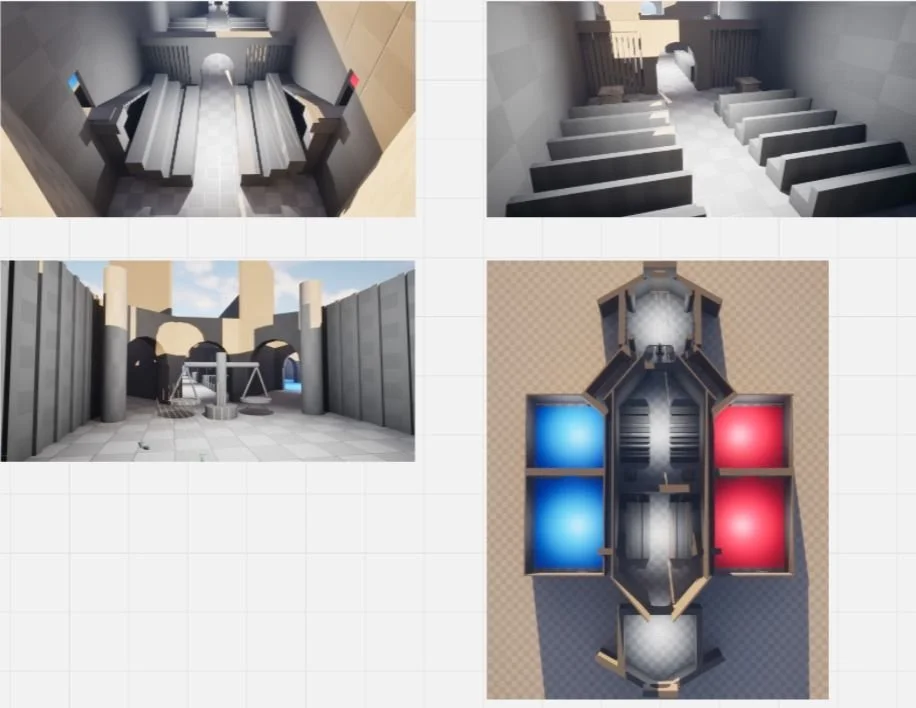
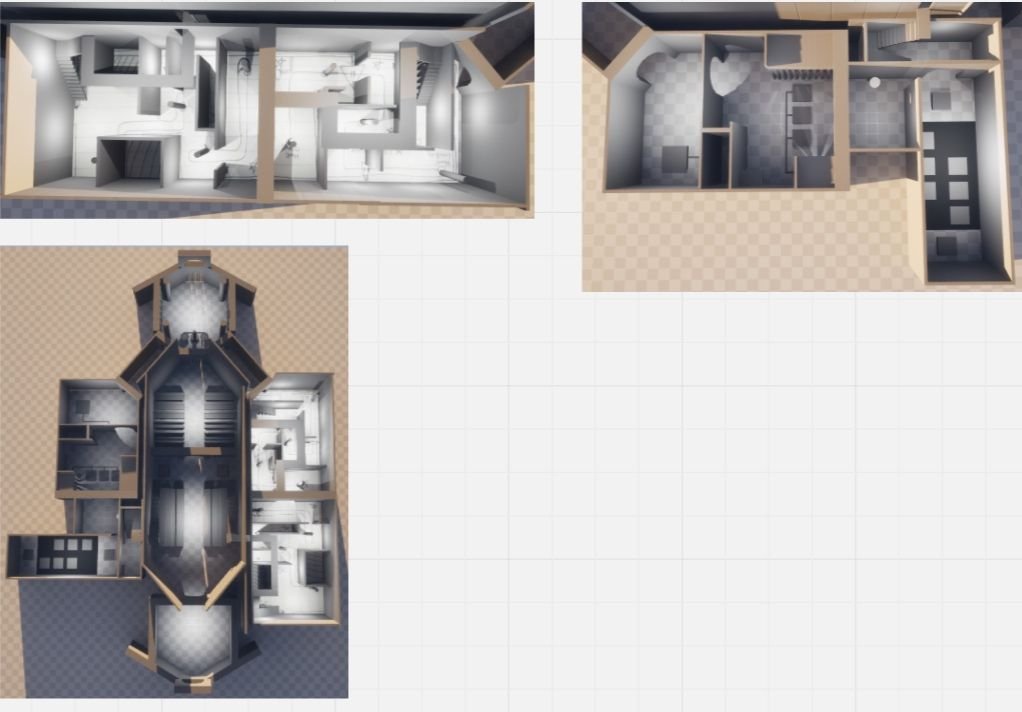
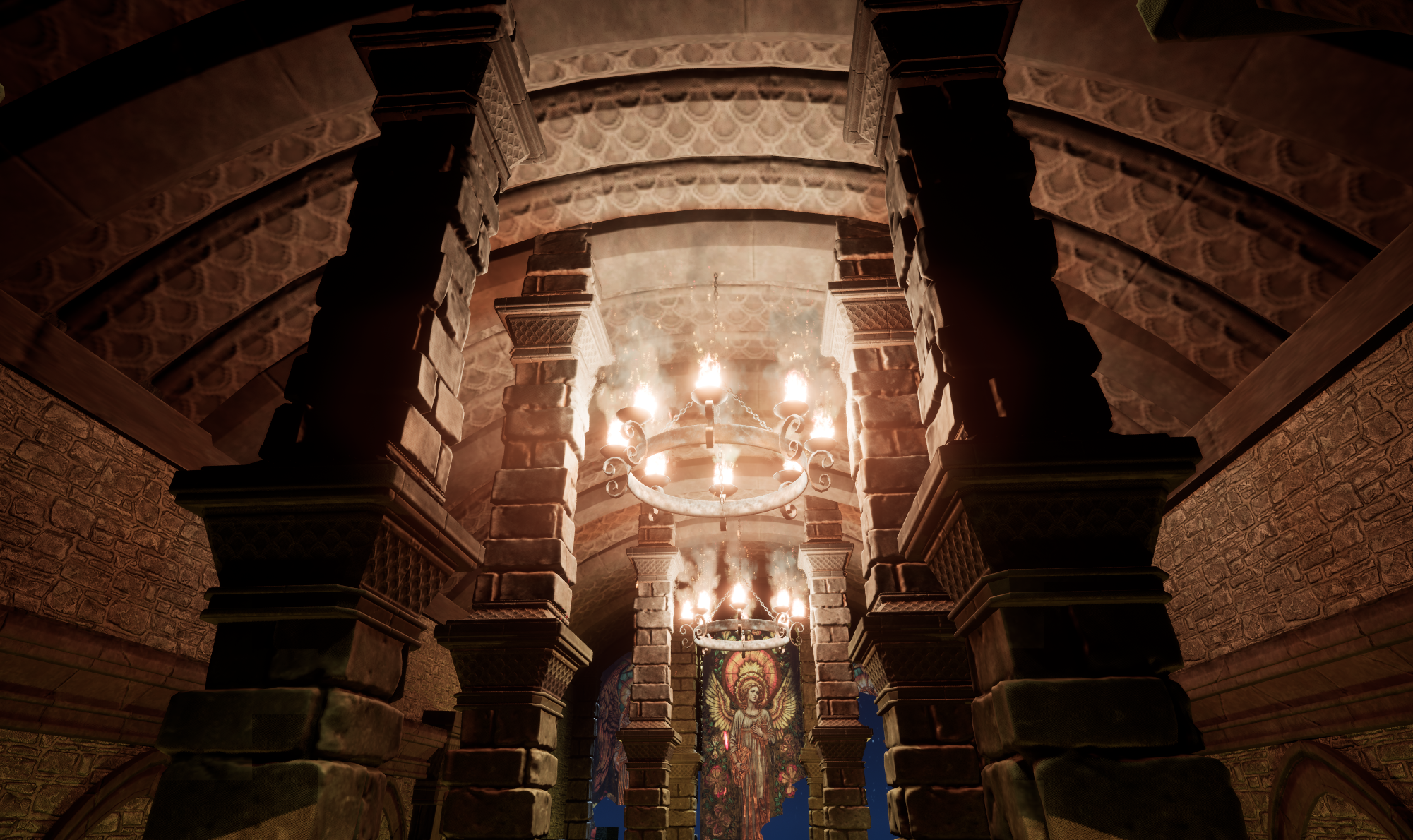
Out On A Limb is a collaborative puzzle-platformer centred around a Frankenstein-inspired character who uses detachable limbs to interact with environmental mechanics and progress through the level. Within the project, I took on the role of Level Design Lead for Level 1, designing a medieval church-inspired environment structured around three distinct pathways that all converged toward a central final area.
The level was designed to encourage player exploration and experimentation while maintaining clear navigation and gameplay flow. Through sketching, whiteboxing, and iterative testing, the environment evolved into a space that balanced puzzle mechanics, atmosphere, and player progression within a collaborative team production pipeline.
Project: Festival Builder
Festival Builder is an immersive festival management simulation inspired by my upbringing around UK festival sites and live event culture. The project explores the transformation of empty environments into large-scale temporary communities, challenging players to balance creative freedom with logistics, infrastructure, crowd management, and site planning.
As the sole technical developer for the project, I was responsible for the implementation of the game’s core systems within Unreal Engine 5. This included developing reactive AI crowd behaviours, data-driven management systems, economic gameplay loops, and a custom 3D asset pipeline using Autodesk Maya.
The simulation focused heavily on autonomous systems and scalability. AI visitors dynamically responded to player layouts through a needs-based behaviour system, while modular Data Table workflows allowed new assets and gameplay elements to be integrated efficiently throughout development. The project also explored performance optimisation through large-scale crowd simulation, pathfinding systems, and stress testing to maintain gameplay stability during high population scenarios.
Drawing inspiration from real-world UK festivals such as Glastonbury and other grassroots events, the project aimed to create an authentic simulation of temporary festival infrastructure, including sanitation, welfare areas, entertainment spaces, and environmental management. Through this project, I further developed my understanding of systems design, optimisation workflows, AI implementation, and large-scale simulation design within Unreal Engine 5.
Project: Voyager
Project Voyager is a surreal atmospheric game jam prototype following a stranded space explorer trapped aboard a failing spacecraft. The narrative centres around a cryosleep malfunction that causes the protagonist to awaken thousands of years later, gradually descending into isolation-induced hallucinations and psychological instability.
Within the project, I focused on the level layout and atmospheric direction, designing environments that evolved alongside the character’s deteriorating mental state. As the game progresses, familiar spaceship interiors gradually transform into increasingly distorted and eerie spaces, using environmental storytelling, lighting, and surreal visual design to reflect the protagonist’s perception of reality collapsing over time.
The project explored themes of isolation, psychological horror, and immersive worldbuilding while experimenting with how level design and atmosphere can communicate narrative progression without relying heavily on dialogue or traditional storytelling methods.
Mars Aztec Ball Game
Mars Aztec Ball Game (MABG) is a futuristic arcade sports prototype inspired by the ancient Mesoamerican ball game, reimagined within a sci-fi setting on Mars. Set decades after humanity’s arrival on the planet, the game follows human competitors forced to participate in a high-risk sporting tournament organised by an advanced Martian civilisation.
The gameplay focused on fast-paced movement, precision, and momentum-based mechanics. Players use a flail-inspired traversal system to launch themselves through the arena while attempting to score through hoops of varying difficulty and point value. To maintain pacing and prevent stalling, the game implemented timed shot mechanics that forced players into rapid decision-making and continuous movement.
The project also explored immersive presentation and worldbuilding through a stylised “Game of the Week” broadcast aesthetic, featuring halftime shows, large-scale arena spectacle, and exaggerated futuristic sports entertainment. Through this project, I experimented with competitive gameplay design, environmental presentation, and creating a unique atmosphere that combined surreal sci-fi themes with arcade-style mechanics.
Junkyard Hero
Junkyard Hero is a relaxing low-poly sandbox experience focused on resource collection, recycling systems, and player-driven progression within a calm industrial environment. Designed as a more laid-back alternative to high-pressure gameplay, the project explored how repetitive gameplay loops and environmental atmosphere could create a satisfying and immersive player experience.
The core gameplay loop revolves around exploring scrapyards, collecting discarded materials, and transporting them back to a processing facility where resources are sorted, packaged, and sold. A weighted inventory and vehicle system was implemented to encourage strategic decision-making, requiring players to balance risk, efficiency, and cargo management while navigating the environment.
To increase replayability, the project utilised a randomised spawning system that generated different scrap types and values during each play session. Combined with the stylised low-poly art direction and relaxed pacing, the game focused on creating a “zone out” style sandbox experience centred around progression, logistics, and environmental storytelling.
VR project
Created as part of a game jam challenge focused on “cozy” gameplay experiences, this VR prototype explored how atmosphere, lighting, and environmental storytelling could create immersion without relying on complex mechanics. The project focused heavily on creating a calm and intimate nighttime forest environment designed to encourage relaxation and exploration.
The environment was built around a central campfire that provided dynamic lighting across the scene, supported by lanterns, fairy lights, and glowing particle effects to create a warm and inviting atmosphere. Additional environmental details such as rugs, seating areas, tents, and retro media elements helped establish the space as a comfortable and lived-in environment.
As my first VR-focused project in Unreal Engine, the prototype also explored player presence and interaction through VR hand tracking and environmental interaction. Through this project, I developed a stronger understanding of immersive environment design, VR workflows, lighting composition, and how atmosphere alone can drive player engagement and emotional response.
Laboratory Creation and Visualisation
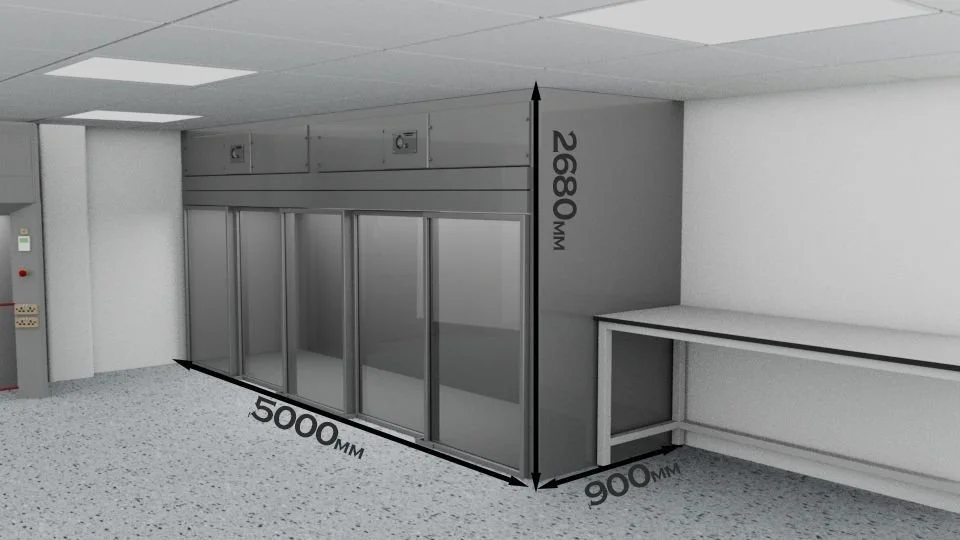
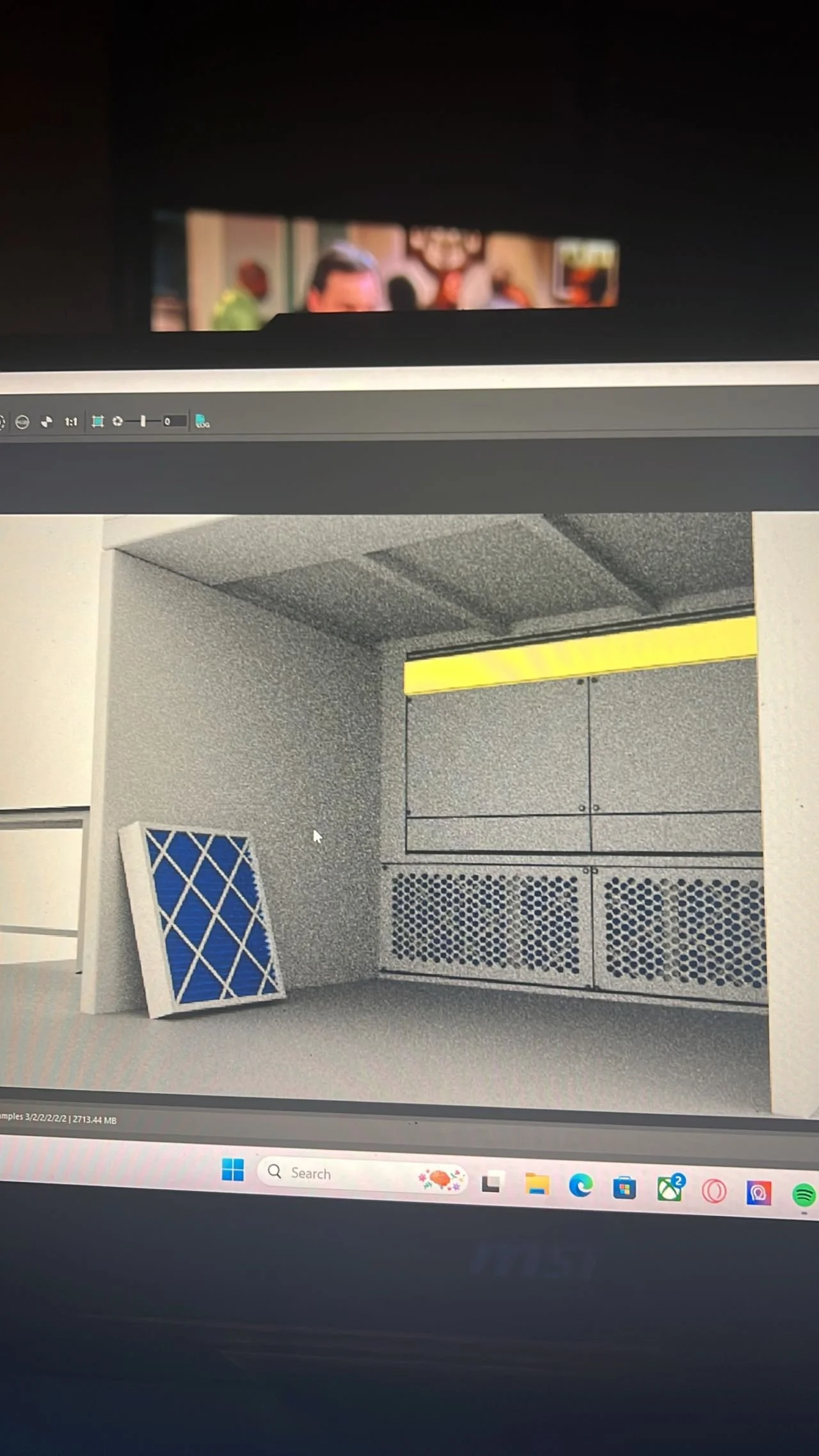
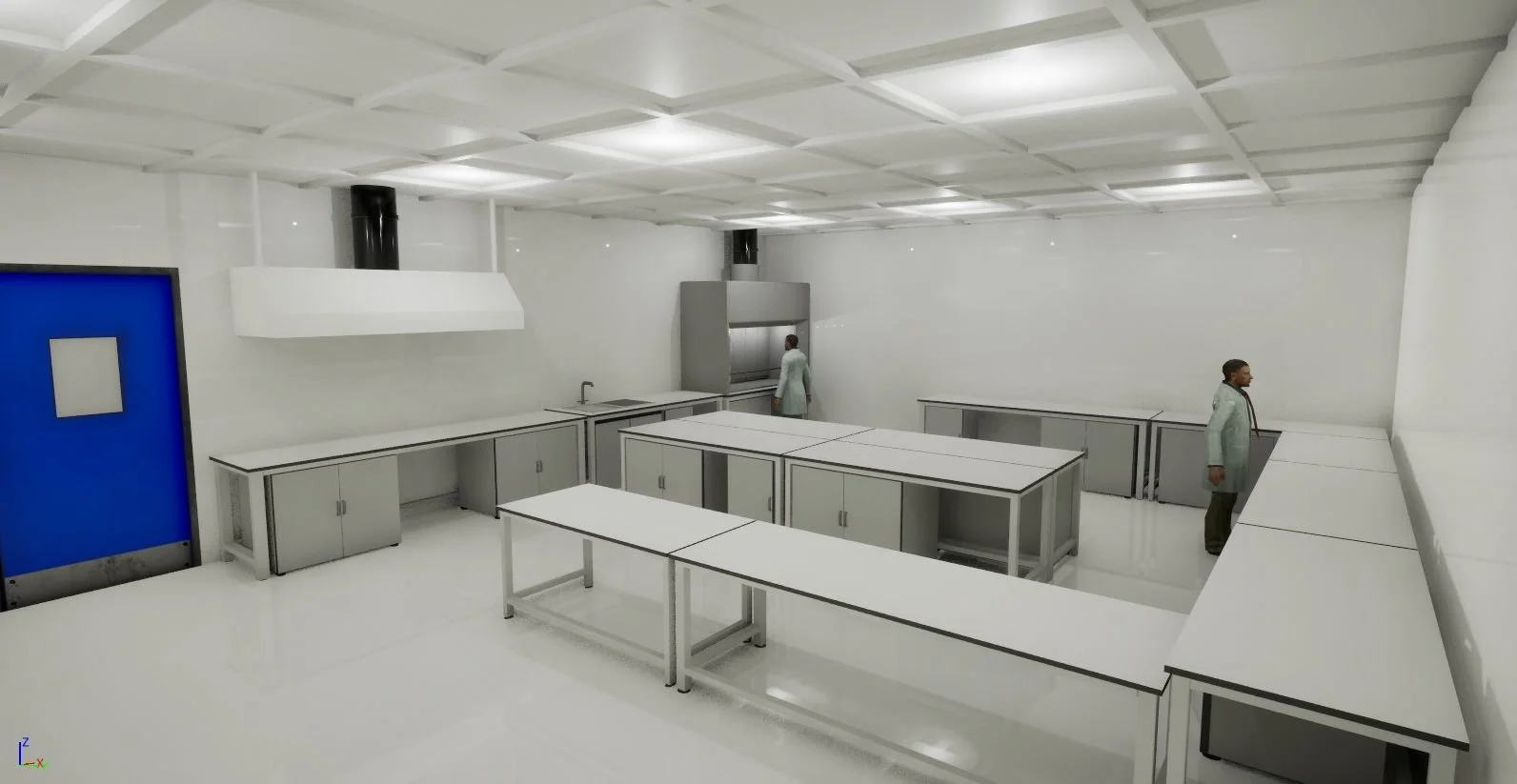
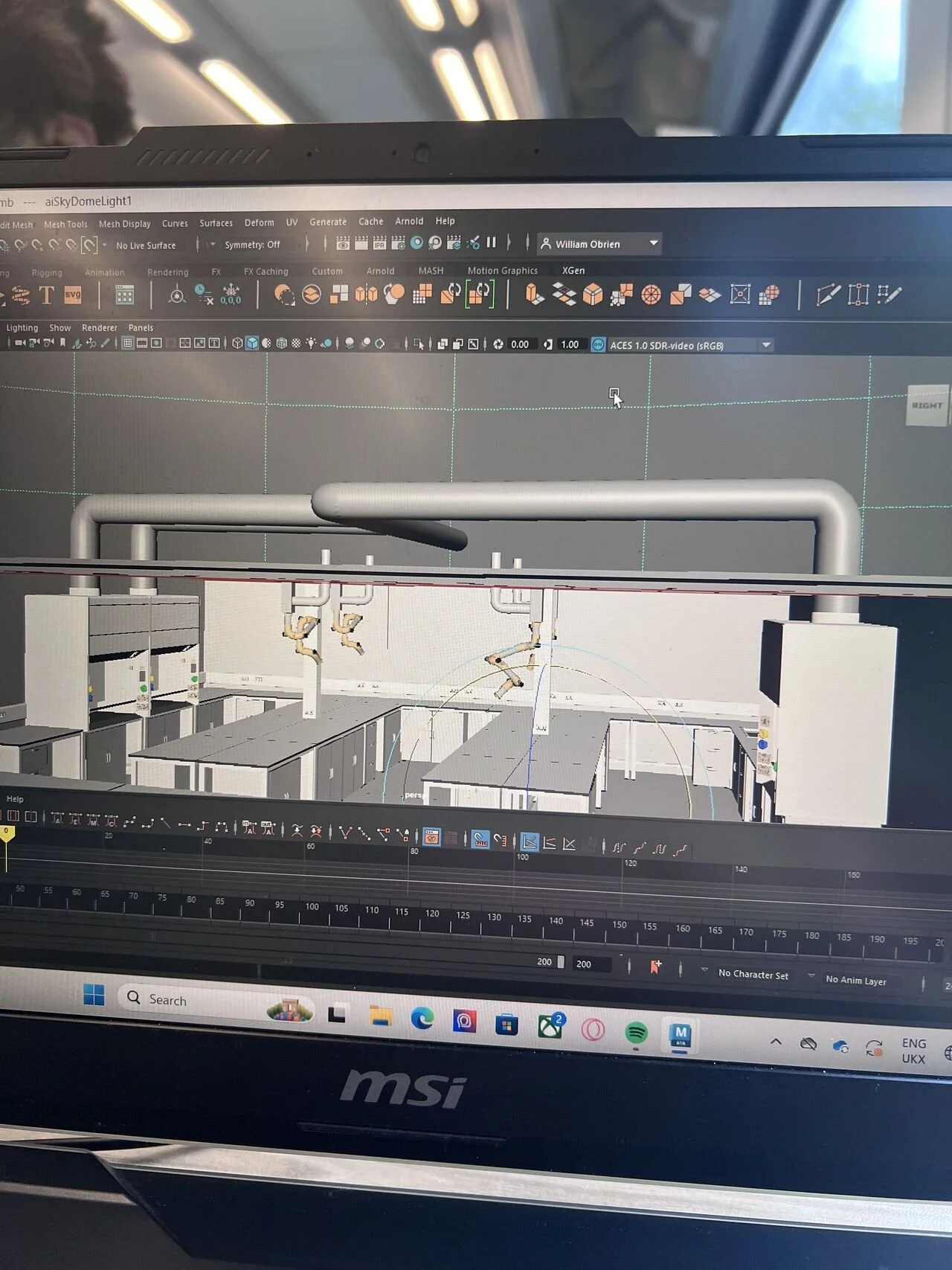
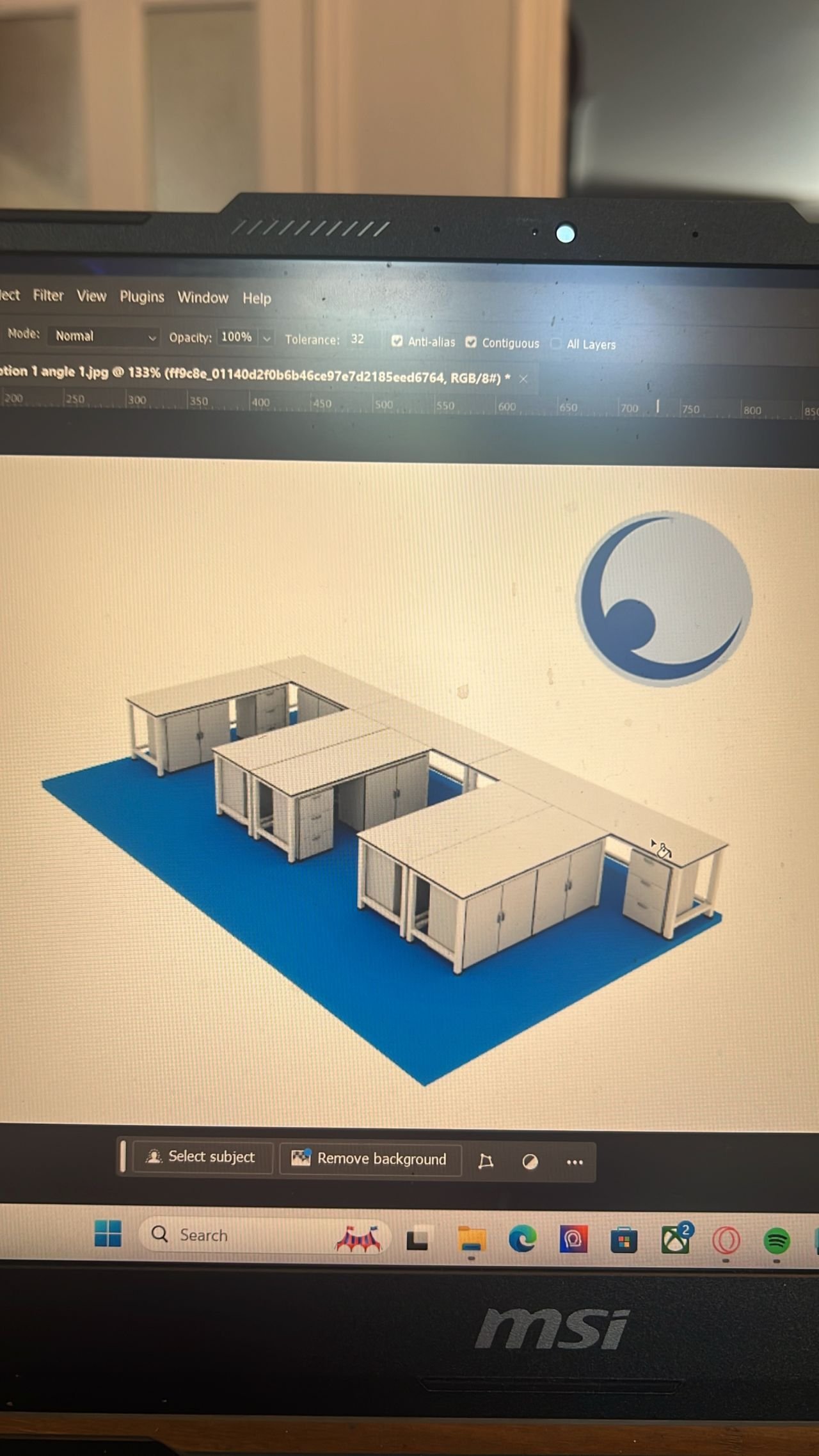
Laboratory Creation & Visualisation is a collection of professional 3D visualisation projects developed for laboratory design companies, focused on translating technical layouts into immersive and realistic spatial presentations. These projects were created to help communicate how laboratory spaces, ventilation systems, and infrastructure would function prior to construction and installation.
Using Unreal Engine and Autodesk Maya, I developed real-world visualisations by integrating custom-built assets with environmental data and architectural references. The work focused heavily on spatial accuracy, lighting, scale, and presentation quality to ensure environments remained both technically informative and visually engaging.
Through these projects, I developed experience working within professional design workflows, balancing technical constraints with immersive visual presentation. This work also strengthened my understanding of environmental composition, optimisation, and real-world spatial planning, while allowing me to explore how game engine technologies can be applied beyond the games industry.